Setting the Stage for Success
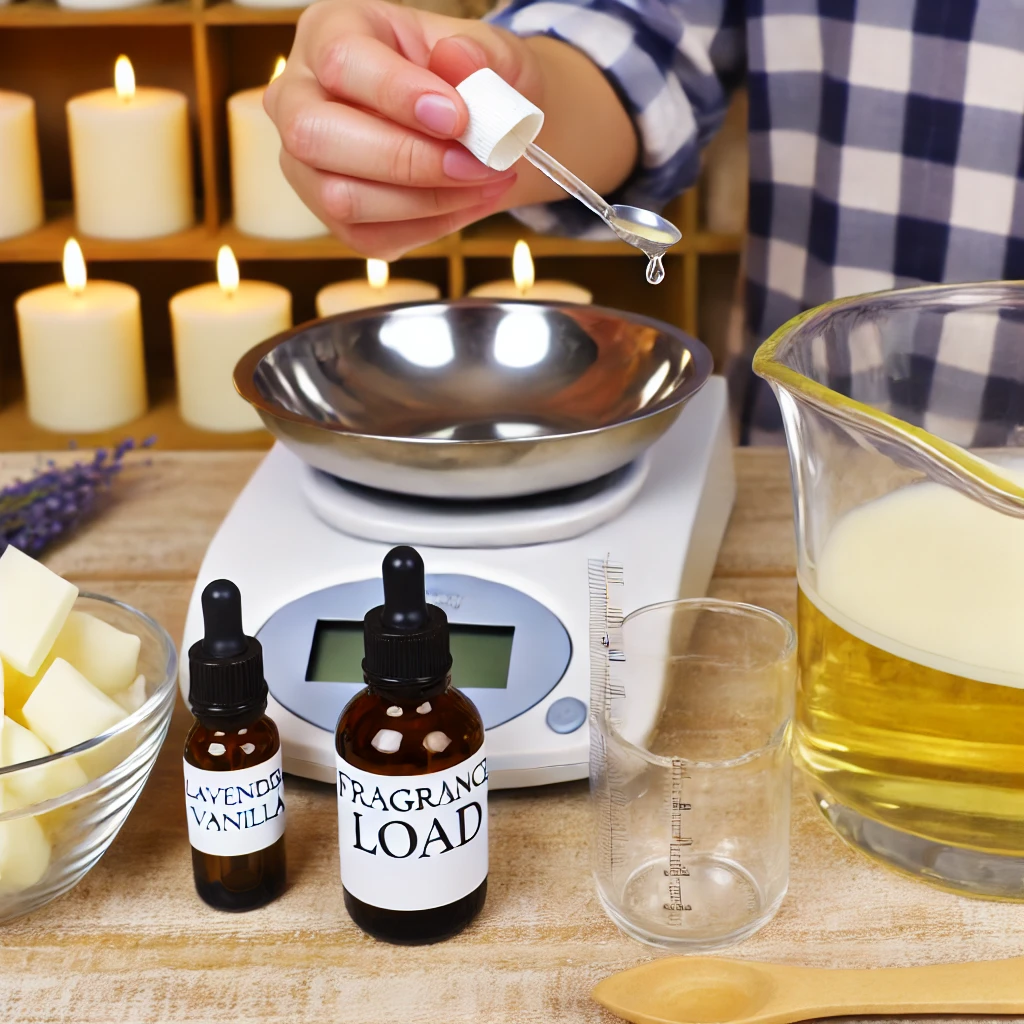
Crafting soy candles is not just about melting wax and adding a wick—it’s an art that involves precision, especially when it comes to determining the ideal soy candle fragrance load. The fragrance load refers to the amount of scent oil added to the soy wax, which greatly impacts the candle’s final aroma strength and performance. Calculating the perfect fragrance load is crucial because it ensures that your soy candles emit a captivating scent that fills a room without overpowering.
The Impact of Fragrance Load on Soy Candle Quality
The key to creating high-quality soy candles lies in understanding how the fragrance load influences their overall appeal. A well-calculated fragrance load can result in a balanced and long-lasting scent experience, enhancing the ambiance of any space.
On the flip side, using too little or too much fragrance oil can lead to underwhelming scents or even candle malfunctions like poor burning characteristics. Therefore, finding that sweet spot in your soy candle fragrance load is essential for achieving optimal results.
Factors at Play: Unveiling Influences on Soy Candle Fragrance Load
Various factors come into play when determining the ideal soy candle fragrance load, making it a nuanced process. The type and quality of fragrance oils used play a significant role in how well the scent blends with the soy wax base.
Additionally, factors such as ambient temperature during pouring, curing time, and even humidity levels can affect how fragrances disperse within the candle. Understanding these influences is key to mastering the art of creating captivating scents through precise control of your soy candle fragrance load.
Unlocking the Essence: Understanding Fragrance Load in Soy Candles

Fragrance load in soy candles refers to the amount of fragrance oil added to the wax during the candle-making process. This step is crucial as it determines the intensity and longevity of the scent emitted when the candle is burned.
Understanding fragrance load is essential for creating high-quality soy candles that captivate users with their aromatic allure. By mastering this aspect, candle makers can tailor their products to meet specific preferences and stand out in a competitive market.
The Dance of Aromas: How Fragrance Oils Interact with Soy Wax
When fragrance oils are introduced to soy wax, a mesmerizing transformation occurs, blending creativity with chemistry. The porous nature of soy wax allows it to absorb and retain fragrances effectively, creating a harmonious marriage between wax and scent.
As the candle burns, heat releases these captivating aromas into the surrounding space, enveloping it in a cozy ambiance that soothes the senses. This interaction is at the core of what makes soy candles unique and desirable among consumers seeking a multisensory experience.
Finding Balance: Significance of Proper Fragrance Load in Candle Making
Achieving an optimal soy candle fragrance load is akin to orchestrating a symphony where each note plays a vital role in creating harmony. The right balance ensures that the scent is neither overpowering nor too subtle, striking a perfect chord that resonates with discerning customers.
By mastering this art, candle makers can evoke emotions, trigger memories, and enhance relaxation through meticulously crafted scents. Thus, understanding how fragrance oils interact with soy wax paves the way for creating candles that not only illuminate spaces but also fill them with delightful fragrances.
Type and Quality of Fragrance Oil Used

Choosing the right type and quality of fragrance oil significantly impacts the soy candle fragrance load. High-quality fragrance oils contain a higher concentration of scent, allowing for a more potent fragrance load in soy candles.
Consider factors such as the purity of the fragrance oil and its compatibility with soy wax. Opt for fragrance oils specifically designed for soy candles to ensure optimal scent throw and performance.
Soy candle fragrance load can also be influenced by the type of fragrance oil used. Essential oils, natural fragrances derived from plants, offer a cleaner and more natural scent compared to synthetic fragrances.
While essential oils may have a lighter aroma, they can still contribute to a well-balanced soy candle fragrance load. Experiment with different types of fragrance oils to find the perfect balance between scent strength and quality for your soy candles.
Wax Type and Its Ability to Hold Scent
The type of wax used plays a crucial role in determining the soy candle fragrance load. Soy wax, known for its excellent scent retention properties, is highly porous and effectively absorbs fragrances.
This allows for a higher fragrance load compared to other waxes like paraffin or beeswax. When selecting wax for your soy candles, consider its ability to hold scent and release it evenly throughout burning.
Achieving the perfect soy candle fragrance load also depends on understanding how different waxes interact with various types of fragrances. Some waxes may have specific requirements or limitations when it comes to holding certain scents.
Experiment with different wax formulations to determine which one complements your chosen fragrance oils best. By selecting the right wax type based on its ability to hold scent effectively, you can enhance the overall olfactory experience of your soy candles.
Candle Size and Container Type
The size of your candle and the type of container used can impact the distribution and intensity of the soy candle fragrance load. Larger candles generally require a higher fragrance load to ensure that the scent fills a larger space effectively.
Smaller candles may need a lower concentration of fragrance oil to prevent overpowering aromas that could be too intense in confined areas or small rooms. Container type also influences how well fragrances disperse from soy candles.
Porous materials like unglazed ceramic or natural wood may absorb some scent molecules, affecting how strong or long-lasting the aroma is over time. Non-porous containers like glass or metal help retain more of the scent within the candle until it is burned, ensuring a consistent release throughout its lifespan.
Step-by-Step Guide to Determining the Ideal Fragrance Load for Your Soy Candles
Starting with recommended usage rates from the fragrance oil supplier helps in setting a baseline for your soy candle fragrance load. These rates are typically provided by suppliers based on their testing and are crucial for maintaining safety and optimal performance.
By following these guidelines, you ensure that you’re within safe usage limits and prevent issues like poor burning characteristics or overwhelming scents. Considering the wax’s scent throw capabilities is essential when determining your soy candle fragrance load.
Different waxes have varying capacities to carry and release fragrance, affecting how strong or subtle the scent will be when the candle is burned. Understanding your specific wax type allows you to make informed decisions about how much fragrance oil to use, ensuring that your candles deliver a consistent and pleasing aroma.
Testing different percentages for optimal scent strength involves a process of trial and error to find the perfect balance in your soy candle fragrance load. Starting with small batches can help minimize waste while allowing you to experiment with varying concentrations of fragrance oils.
Through systematic testing, you can gauge how different percentages impact the scent throw, burn time, and overall aroma intensity of your candles. Adjusting based on personal preference and feedback from others refines your formula until it aligns perfectly with your desired scent profile for each batch of soy candles produced.
Testing and Adjusting Fragrance Load
The Importance of Thorough Testing
Conducting thorough testing ensures accurate scent strength and burn performance. Test candles in various environments to gauge scent throw. Evaluate burn performance for issues like tunneling or uneven burning.
Tips for Evaluating Candle Quality
Assess scent throw by determining how far the fragrance travels when the candle is burning. Monitor burn performance for an even wax pool formation without tunnelling. Check overall candle quality through appearance, scent intensity, and consistent burn.
Making Adjustments Based on Results
Adjust fragrance load based on test outcomes. Increase or decrease percentage to achieve the desired scent strength. Modify wax to oil ratio for optimal performance in soy candle fragrance load.
Troubleshooting Common Issues
Addressing Scent Throw Challenges
Resolve poor scent throw by adjusting fragrance load percentages. Ensure proper dispersion of oils throughout the wax for effective diffusion during burning.
Solutions for Even Burning
Combat tunneling and uneven burning by tweaking fragrance load ratios. Optimize wax composition to promote even heat distribution and complete melt pool formation.
Advanced Techniques and Tips
Exploring Unique Fragrance Combinations
Experiment with layering scents or blending fragrances to create distinctive combinations. Mix complementary scents to enhance complexity in soy candle fragrance load.
Enhancing Scent Retention with Additives
Boost scent retention using additives like fixatives or enhancers during candle making. Apply techniques that prolong fragrance release, ensuring lasting enjoyment from each burn cycle.
Conclusion
Mastering the art of calculating the perfect soy candle fragrance load requires patience, precision, and experimentation. By diligently testing, troubleshooting common issues, and exploring advanced techniques, you can create candles that not only fill a space with delightful scents but also provide a soothing ambiance for relaxation or festive cheer.