Introduction
The Artistry of Candle Making
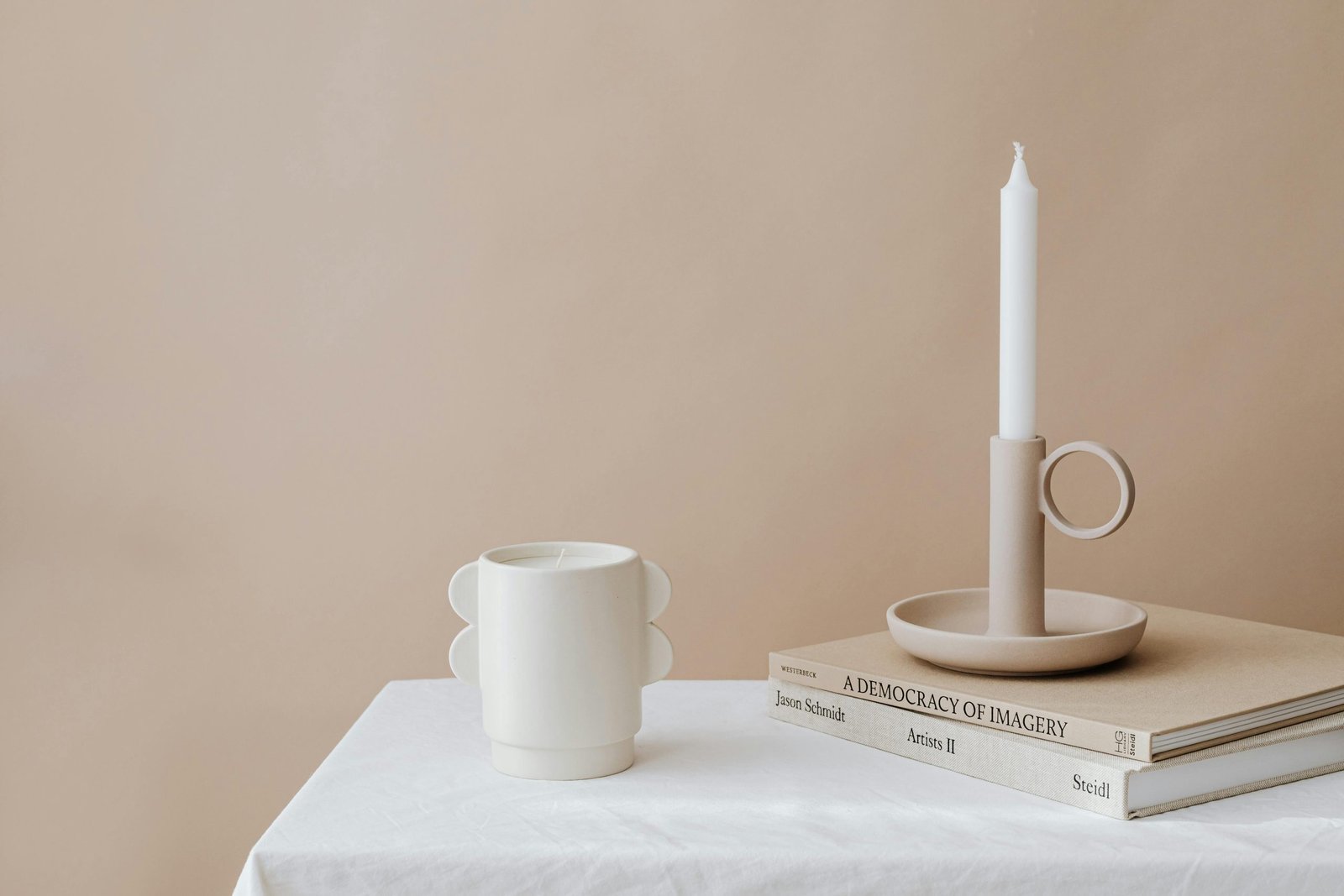
Candle making is a centuries-old craft that combines science and art to create illuminating works of beauty. From ancient civilizations using tallow and beeswax to modern-day artisans experimenting with soy and paraffin, the process has evolved but remains rooted in creativity.
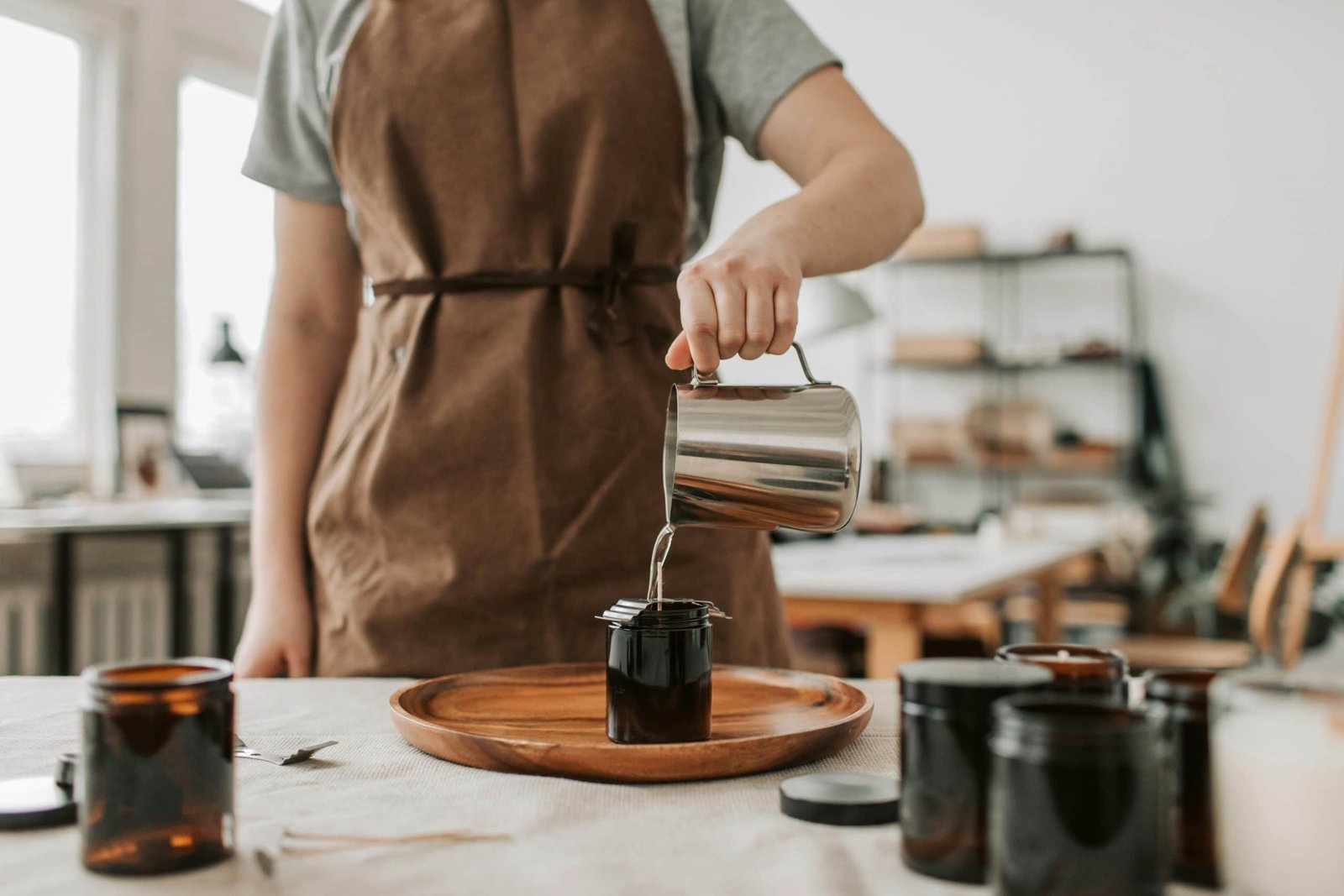
Crafting candles involves melting wax, adding fragrance, pouring into molds, and patiently waiting for them to set. The flickering flame of a candle symbolizes warmth, light, and ambiance in various cultures worldwide.
Custom Scent Blends for Candles: Unlocking Uniqueness
When it comes to candle making, scent is a powerful tool that can evoke memories, emotions, and atmospheres. Custom scent blends take this sensory experience to the next level by offering a personalized touch to your creations.
Each blend tells a story through its carefully chosen notes, reflecting your style and individuality. By crafting custom scent blends for candles, you are not just making a product but infusing it with your essence.
The Role of Scent in Candle Making
Scent plays a crucial role in the success of a candle. It has the ability to captivate or repel customers based on their preferences. When creating custom scent blends for candles, understanding fragrance families like floral, citrusy, woody or spicy becomes essential.
These scents can be layered or combined to achieve unique olfactory experiences that stand out in a crowded market. In essence (pun intended), the aroma of a candle is its soul – one that invites users on a sensory journey every time it’s lit.
Exploring Fragrance Notes
Understanding fragrance notes is crucial in crafting custom scent blends for candles. In fragrance blending, notes are categorized into top, middle, and base notes.
Top notes are the initial impression of a scent, often light and fleeting. Middle notes emerge once the top notes evaporate, providing body to the fragrance.
Base notes are rich and long-lasting, serving as the foundation of the scent blend. By grasping these note categories, candle makers can create harmonious compositions that unfold beautifully over time.
Harmonizing Different Notes
The magic of custom scent blends for candles lies in how different notes interact to create complex olfactory experiences. When blending fragrances, it’s essential to consider how top, middle, and base notes complement each other.
For example, combining a zesty citrus top note with a floral middle note and a woody base note can result in a well-balanced and intriguing scent profile. Understanding these interactions allows candle makers to tailor their blends for specific moods or themes.
Crafting Complexity Through Interactions
By mastering how different fragrance notes interact with one another, candle creators can achieve depth and complexity in their custom scent blends for candles. Blending complementary notes can enhance certain aspects of each scent while masking others, leading to unique combinations that evoke diverse emotions or memories. Experimenting with various note pairings opens up endless possibilities for creating captivating scents that resonate with individuals on a personal level.
Difference between Essential Oils and Fragrance Oils
Understanding the distinction between essential oils and fragrance oils is crucial when creating custom scent blends for candles. Essential oils are derived from natural sources, such as plants, flowers, or fruits, through processes like distillation or cold pressing. They offer pure, natural scents that can also have therapeutic properties.
On the other hand, fragrance oils are synthetic or artificially created scents designed to mimic specific aromas. While essential oils provide a more authentic and holistic experience, fragrance oils offer a wider range of fragrances and consistency in scent.
Popular Essential Oils for Candle Making (lavender, eucalyptus, etc.)
Lavender is a beloved choice in candle making for its calming and soothing properties. Its floral aroma promotes relaxation and stress relief, making it ideal for bedtime rituals or meditation sessions. Eucalyptus is another favorite essential oil known for its refreshing and invigorating scent.
It clears the mind, uplifts the spirit, and can help with respiratory issues due to its decongestant properties. Other popular essential oils include citrusy lemon for an energizing atmosphere and spicy cinnamon for a warm and comforting ambiance.
Tips for Choosing Complementary Scents
When selecting essential oils or fragrance oils to combine in custom scent blends for candles, consider how different aromas interact harmoniously to create a balanced olfactory experience. Start by categorizing scents into groups like floral (rose, jasmine), woody (cedarwood, sandalwood), citrusy (orange, grapefruit), or herbal (rosemary, mint).
Experiment with pairing complementary scents from different categories to achieve complexity in your blends—such as combining lavender with cedarwood for a relaxing yet grounded scent profile. Be mindful of intensity levels of each aroma to ensure they blend seamlessly rather than overpowering one another in the final candle product.
Importance of Ratios in Scent Blending
Balancing the proportions of different fragrance oils is crucial in creating harmonious custom scent blends for candles. The ratios determine the intensity of each note and ensure that no single scent overwhelms the others.
By carefully measuring and adjusting the ratios, you can achieve a well-rounded fragrance that appeals to the senses. Experimenting with different ratios allows you to fine-tune your blends to perfection, creating signature scents that stand out.
Layering Scents for Depth and Complexity
Layering scents is like creating a symphony of fragrances in your custom scent blends for candles. Each layer adds a new dimension, building upon the previous one to create depth and complexity.
Starting with a base note for stability, followed by middle notes for body, and topping off with top notes for freshness can result in a well-balanced blend. Layering allows each scent to shine through at different times, enhancing the overall olfactory experience of your candles.
Using a Fragrance Wheel to Guide Your Blends
The fragrance wheel is a valuable tool for navigating the vast world of scents when crafting custom scent blends for candles. It categorizes fragrances into families such as floral, citrus, woody, or oriental, helping you identify complementary combinations.
By referring to the fragrance wheel, you can create cohesive blends by selecting scents from adjacent sections or explore contrast by choosing opposites. The wheel serves as a visual guide that sparks creativity and encourages exploration in scent blending.
Small Batch Testing for Precision
Candle makers know that precision is key when crafting custom scent blends for candles. Before committing to a larger batch, it is crucial to conduct small batch testing.
This process involves creating a scaled-down version of the final product to ensure that the desired fragrance balance is achieved. By starting with a small batch, you have the opportunity to adjust the scent ratios without wasting resources on a full-sized production.
During small batch testing for custom scent blends for candles, meticulous record-keeping is essential. Detailed notes on the quantities of each fragrance component used, as well as any adjustments made during testing, help in replicating successful blends in larger batches.
Additionally, labeling each test batch with identifiers can prevent mix-ups and confusion during evaluation. Small batch testing allows candle makers to fine-tune their recipes and perfect their signature scents before mass production.
Evaluating Scent Performance
To create captivating candles with custom scent blends, evaluating scent throw and performance when burned is critical. Scent throw refers to how far and strong the fragrance travels when the candle is lit. Candle makers often test different waxes and wicks in combination with their custom blends to optimize scent throw. Through experimentation and observation during burning tests, they can determine the ideal combination that ensures a pleasant olfactory experience.
When assessing performance while burning custom scent blends for candles, factors such as burn time, soot production, and overall ambiance should be considered. A well-balanced blend will not only emit an enticing aroma but also burn cleanly without excessive sooting or tunneling issues.
Candle makers pay close attention to these details during evaluation to guarantee that their final products meet high-quality standards. By understanding how different components interact during burning tests, they can create candles that delight customers with both visual appeal and aromatic allure.
The Art of Perfected Scents
Customizing scents for candles involves an artful balance of creativity and precision at every step of the process – from inception through evaluation. Small batch testing lays the foundation for achieving this balance by allowing candle makers to experiment without commitment until they achieve perfection in their custom blend recipes. Evaluating scent throw and performance not only enhances the overall quality of candles but also ensures consistency across batches for customer satisfaction.
Documenting Your Recipes
The Importance of Keeping Detailed Records
Keeping detailed records of your successful blends is crucial in the world of custom scent blends for candles. By recording the exact measurements and combinations of fragrance oils and essential oils used in each successful batch, you create a valuable reference guide for future candle-making endeavors. These records serve as a roadmap to recreate popular scents or make adjustments based on past successes.
Enhancing Your Creativity Through Documentation
Documenting your recipes not only helps you replicate past successes but also fuels your creativity. As you see patterns emerge in your blends, you may discover new scent combinations or ratios that work harmoniously together. This process of documentation can lead to innovative creations, pushing the boundaries of traditional candle scents and setting your creations apart in the market of custom scent blends for candles.
Organizing Feedback for Recipe Adjustment
Another benefit of keeping detailed records is the ability to adjust recipes based on feedback and personal preferences. By noting any feedback received from customers or personal observations about the performance of your candles, you can fine-tune your recipes accordingly. This iterative process ensures that your custom scent blends continue to evolve and improve over time, catering to the preferences of your target audience in the competitive world of candle making.
Infusing Oils with Botanicals or Spices for a Custom Touch
Enhance your custom scent blends for candles by infusing oils with botanicals or spices. Begin by selecting high-quality carrier oils such as jojoba or sweet almond oil as a base.
Choose botanicals like dried lavender, rose petals, or cinnamon sticks, depending on the desired fragrance profile. Place the botanicals in a glass jar and cover them with the carrier oil, ensuring that they are fully submerged to extract their aromatic essence.
Let the infusion sit in a cool, dark place for at least two weeks, shaking the jar gently every few days to mix the ingredients. The longer you allow the botanicals to infuse, the stronger and more complex the scent will become.
Once ready, strain out the botanicals using cheesecloth or a fine mesh strainer to obtain a fragrant oil that can be incorporated into your candle-making process. This method adds a personalized touch and natural depth to your custom scents blends for candles.
Conclusion
Recap of the Steps in Creating Custom Scent Blends
Creating custom scent blends for candles involves understanding fragrance notes, selecting essential oils, blending techniques, testing your scents, documenting your recipes, exploring advanced techniques, and perfecting packaging and presentation. It’s a creative process that allows you to craft unique candles that reflect your personal style and preferences.
Encouraging Creativity in Candle Making
Experimenting with different scent combinations can lead to unexpected and delightful results. Don’t be afraid to think outside the box and try new fragrance pairings – this is where true creativity thrives. Embrace the journey of discovery as you blend various essential oils and fragrance oils together to create signature scents that tell a story through your candles.
An Optimistic Spin on Custom Scent Blends
As you delve into the world of custom scent blends for candles, remember that every candle you create is a reflection of your creativity and passion. Enjoy the process of experimenting with different fragrances and let your imagination run wild.
Each unique scent blend is an opportunity to express yourself artistically and share something special with others through the power of fragrance. Keep exploring, keep creating, and most importantly, have fun along the way!