Introduction
An Illuminating Art: Candle Making Unveiled
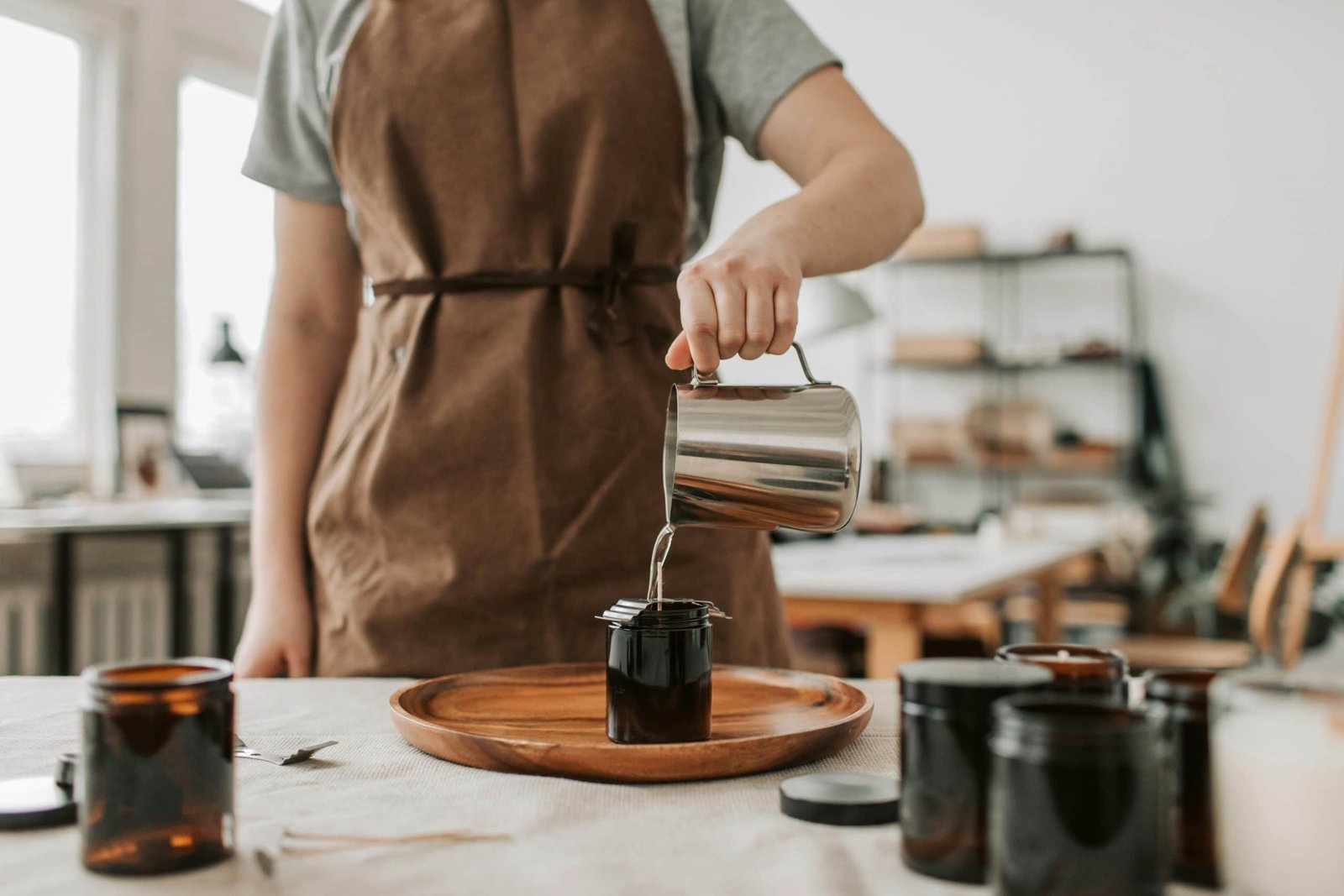
Candle making is a centuries-old craft that has evolved from being a necessity for light to an art form cherished for its aesthetic and therapeutic qualities. The process involves melting wax, adding fragrance, and carefully pouring it into molds. Scenting soy candles takes this art to a new level by enhancing not just the visual appeal but also the olfactory experience.
The Ambiance Alchemy of Scenting Soy Candles
Soy candles are lauded for their clean burn, eco-friendly nature, and ability to hold fragrance well. When you add scent to soy candles, you’re not just creating an object that emits light; you’re crafting an ambiance enhancer. Imagine walking into a room enveloped in the sweet notes of vanilla or the refreshing scent of eucalyptus – that’s the magic of scenting soy candles at work.
Sensory Symphony: The Impact of Fragrance on Mood
The importance of scenting soy candles lies in its power to evoke emotions and memories through fragrance. Different scents can have varied effects on mood – from calming lavender promoting relaxation to invigorating citrus boosting energy levels. By carefully selecting and blending fragrances when scenting soy candles, you can curate atmospheres that cater to your desired emotional state or ambiance requirement.
Definition and Differences Between Fragrance Oils and Essential Oils

Fragrance oils are synthetic or artificially created scents, meticulously formulated to replicate various aromas like fruits, flowers, or spices. On the other hand, essential oils are natural extracts derived from plants through methods like distillation or cold pressing.
The key disparity lies in their origins: fragrance oils are man-made while essential oils come directly from botanical sources. When scenting soy candles, understanding these disparities is crucial as it impacts the overall quality and authenticity of the aroma emitted.
The Aromatic Essence:
Fragrance oils offer an extensive range of scents that may not be attainable solely through essential oils due to their synthetic nature. This vast selection allows for more creative freedom when crafting scented candles.
Essential oils, conversely, provide a pure and holistic aroma that comes directly from nature. Their therapeutic properties can also enhance the ambiance when scenting soy candles.
Longevity and Intensity:
Fragrance oils often possess a stronger scent throw compared to essential oils. This means that when used in soy candles, fragrance oils can disperse their aroma more effectively throughout a room or space.
However, essential oils tend to have more subtle but longer-lasting fragrances due to their natural composition. Understanding this distinction is crucial when deciding between the two for scenting soy candles to achieve the desired olfactory experience.
Factors to Consider When Selecting a Fragrance or Essential Oil
Your first consideration when choosing scenting soy candles is the strength of the fragrance. Determine whether you want a subtle, medium, or strong scent profile. Next, take into account the intended purpose of the candle – will it be used for relaxation, invigoration, or as a mood enhancer?
Consider any potential allergies or sensitivities that you or others may have to certain scents. Additionally, think about the longevity of the fragrance – how long you want it to linger in a room after the candle has been extinguished.
Choosing Popular Scent Combinations for Different Moods and Seasons
For a cozy winter ambiance, opt for warm and comforting scents like cinnamon, vanilla, and sandalwood. These fragrances evoke feelings of warmth and relaxation during cold months.
Conversely, during spring and summer seasons, lighter and fresher scents such as citrus blends, lavender, and eucalyptus can create an uplifting atmosphere. Consider creating custom scent blends that complement each season’s unique characteristics – floral notes for spring blooms or crisp apple scents for autumn harvests.
Creating Personalized Candles with Unique Scent Combinations
Experiment with blending different fragrance oils to craft personalized candles that reflect your individual preferences and style. Combine complementary scents like jasmine and bergamot for a sophisticated aroma or mix unexpected pairings such as pine with citrus for a refreshing twist.
Engage your creativity by layering scents to develop complex fragrance profiles that evolve over time as the candle burns. By exploring diverse combinations of fragrance oils in your soy candles, you can tailor each creation to suit specific occasions or moods while infusing your living space with delightful aromas.
Guidelines for Proper Measurement and Mixing Ratios
Proper measurement and mixing ratios are crucial in scenting soy candles. To achieve the desired fragrance strength, follow a standard guideline of using about 6-10% fragrance oil or 100 drops of essential oil per pound of soy wax. This ratio helps maintain a balanced scent throw without overwhelming the candle.
Consistency in measuring is key when scenting soy candles. Using a digital scale to weigh fragrance oils and essential oils ensures accuracy in the mixing process.
Adhering to precise measurements not only guarantees uniform scent distribution throughout the candle but also prevents issues like uneven burning due to an imbalance in the wax-oil ratio. Maintaining the right mixing ratios when scenting soy candles is vital for quality control.
Deviating from recommended proportions can result in candles with weak or overpowering scents, impacting customer satisfaction. By adhering strictly to these guidelines, candle makers can produce products that consistently deliver optimal olfactory experiences.
Tips for Creating Unique Scent Blends
Creating unique scent blends adds an artistic touch to scenting soy candles. Experiment with combining complementary fragrances like lavender and vanilla or cedarwood and bergamot to evoke specific moods or themes in your candles. By blending different oils thoughtfully, you can craft signature scents that set your products apart.
Layering scents is a creative technique for enhancing depth in soy candle fragrances. Start by adding base notes like sandalwood, followed by middle tones such as jasmine, and finish with top notes like citrus for a complex aroma profile that evolves as the candle burns.
This method creates sophisticated scents that captivate users over time. Balancing strong scents with subtle undertones is key when creating unique blends for soy candles.
Pair intense fragrances like patchouli with lighter notes such as lavender to achieve a harmonious composition that appeals to a wide audience. Experimentation and attention to detail are essential in crafting distinctive blends that leave a lasting impression on consumers.
Cold vs Hot Scent Throw in Soy Candles
Cold throw refers to the strength of the scent when the candle is unlit and at room temperature. Hot throw, on the other hand, is how strong the scent is when the candle is burning and releasing fragrance into the air.
Understanding these differences can help you choose the right oils for maximum scenting impact in your soy candles. Scenting soy candles with fragrance oils that have a strong cold throw ensures that they will also have a powerful hot throw when lit. Essential oils, while often preferred for their natural qualities, may have a weaker cold throw compared to synthetic fragrance oils.
Experimenting with different oils and blends can help you find the perfect balance between cold and hot throw for your candles. Factors such as wax type, wick size, and container shape can also influence both cold and hot throw in scented soy candles.
For optimal results, consider conducting test burns to evaluate how different scents perform in various conditions. By fine-tuning your scenting techniques based on cold versus hot throw characteristics, you can create candles that delight with their aroma both on display and in use.
Techniques for Incorporating Scents at Different Stages of Candle Making
Adding scents at specific stages of candle making can impact how well they blend with the wax and how long-lasting their fragrance remains. Preparing your fragrance oils or essential oils before incorporating them into melted soy wax ensures even distribution and consistent scent release throughout the candle’s burn time.
When scenting soy candles during melting wax stages, gently stir in your chosen oil using a thermometer to maintain an appropriate temperature range for optimal blending without compromising fragrance integrity. Adding scents too early or at too high a temperature can lead to scent evaporation or alteration, affecting the overall quality of your finished product.
Layering scents by adding multiple fragrances at different stages of candle making can result in complex aroma profiles that evolve as the candle burns. By experimenting with layering techniques – including mixing oils together before adding them to melted wax or creating distinct scent sections within a single candle – you can craft unique olfactory experiences that captivate those who encounter your beautifully scented soy candles.
Adhering to Safety Guidelines
Understanding the importance of following guidelines when working with fragrance oils and essential oils is crucial in scenting soy candles. These substances are highly concentrated and can pose risks if mishandled.
By adhering to recommended safety protocols, candle makers can safeguard themselves from potential hazards. Proper ventilation, wearing protective gear such as gloves and goggles, and keeping these oils out of reach of children and pets are fundamental safety practices.
Navigating the Handling Process
When it comes to handling fragrance oils and essential oils for scenting soy candles, a meticulous approach is necessary. Carefully pour or measure the oils on a stable surface to prevent spills or accidents.
Always close the lids tightly after use to avoid unnecessary exposure to air or spills. Additionally, labeling each oil properly with its name and date acquired ensures easy identification and prevents mix-ups during the candle-making process.
Safe Storage Practices
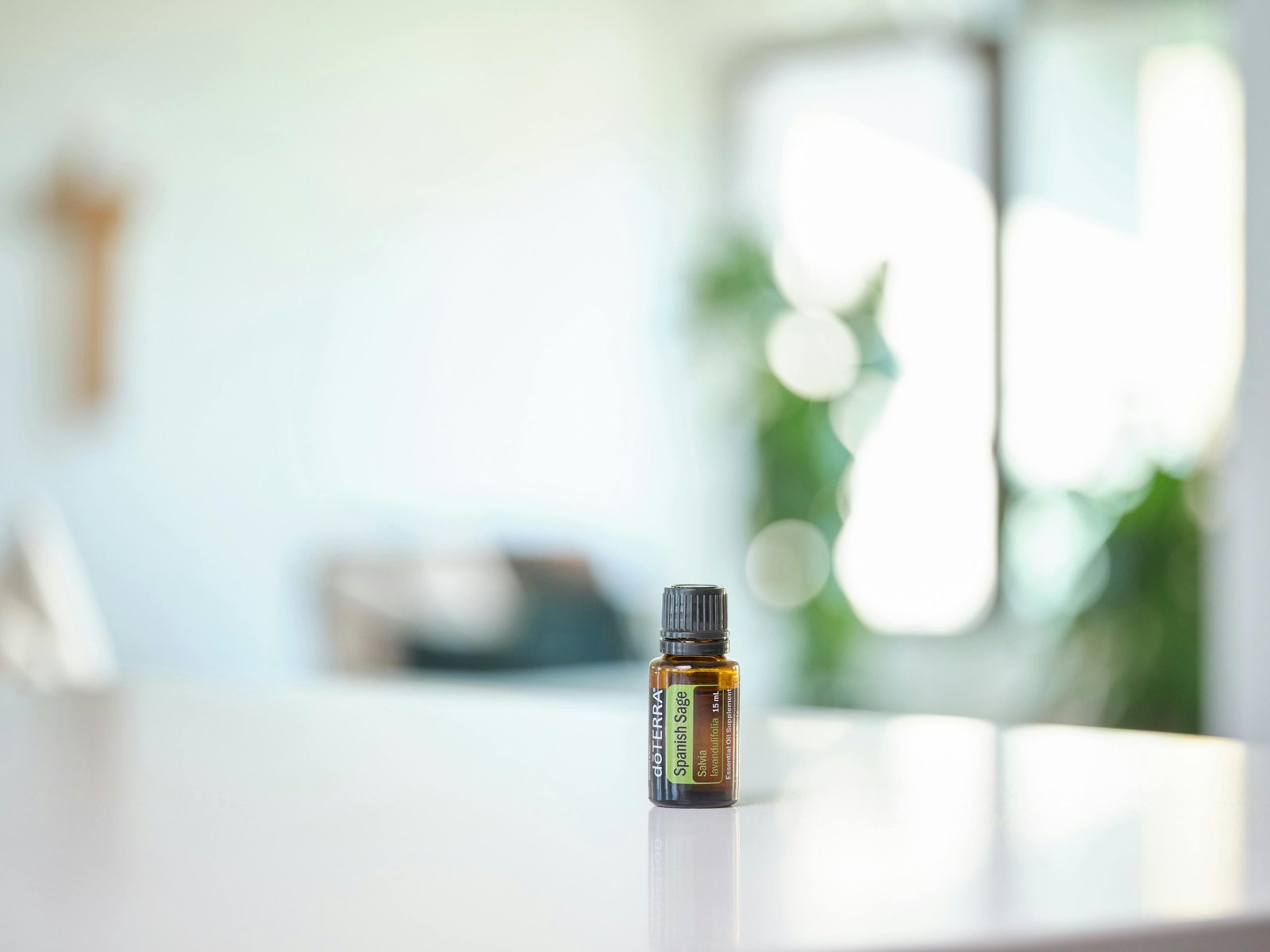
Storing fragrance oils and essential oils safely is vital for maintaining their quality and potency in scenting soy candles. Store these potent liquids in cool, dark places away from direct sunlight or heat sources that could degrade their aroma properties.
Utilizing glass containers instead of plastic helps prevent chemical reactions that might alter the composition of the oils over time. Furthermore, keeping oils organized on shelves or cabinets reduces the risk of accidental spills or breakage that could compromise safety during handling.
Resolving Weak Scent Throw or Discoloration in Candles
Addressing issues such as weak scent throw involves evaluating the fragrance load in soy wax, ensuring it falls within the recommended range for optimal scent dispersion. Increasing the amount of fragrance oil used slightly can enhance the candle’s aroma without compromising performance.
Stirring the wax thoroughly and at the right temperature during scenting helps distribute oils evenly for a consistent smell throughout the candle. Adjusting pouring temperatures can also impact scent release, so allowing candles to cool slowly after pouring can lead to a stronger scent throw.
Discoloration in candles may result from using high concentrations of certain fragrance oils or essential oils, causing them to react with soy wax dyes. To prevent this, testing new scents in small batches before large-scale production can help identify potential discoloration issues early on.
Choosing fragrance oils specifically formulated for use in soy wax candles reduces the likelihood of discoloration while maintaining a strong scent profile. Additionally, protecting candles from direct sunlight once they are set can prevent color changes over time due to UV exposure.
Solutions for Smoother Scenting Process

Prevent problems during the scenting process by storing fragrance oils and essential oils away from heat and light to maintain their quality and potency over time. Keeping detailed records of each candle batch’s scent formula allows for easy replication of successful scents and troubleshooting when needed.
When experimenting with new fragrances, start with small quantities to minimize waste if adjustments are necessary before proceeding with larger batches. Maintaining a clean workspace during scenting soy candles is crucial to avoid cross-contamination between different scents that could alter desired fragrances.
Wiping down surfaces and tools between scenting sessions prevents unwanted mixing of scents that could lead to unexpected results in candle aromas. Regularly calibrating equipment used for measuring fragrance oils ensures accurate dosages are added to each batch consistently, aiding in achieving desired scent strengths without wastage or inconsistencies in aroma intensity.
Recap on the Art of Scenting Soy Candles with Fragrance Oils and Essential Oils
Scenting soy candles involves a delicate balance between art and science. Understanding the properties of fragrance oils and essential oils is crucial in creating captivating scents.
The process begins with selecting high-quality oils that complement each other to achieve a harmonious blend. Experimentation is key to mastering the craft of scenting soy candles.
By exploring various scent combinations and mixing techniques, one can unlock endless possibilities for creating unique aromas. Whether aiming for a calming lavender-infused candle or an invigorating citrus burst, the art lies in finding the perfect balance that appeals to your senses.