Introduction
Aromatic Ambiance: Delving into the World of Scented Candles
Scented candle making has a rich history that dates back centuries, originating from ancient civilizations like Egypt and Rome, where candles were scented with essential oils for religious ceremonies and therapeutic purposes. Over time, scented candles evolved from functional items to luxurious indulgences that enhance ambiance and mood.
Igniting Creativity: The Rising Trend of Homemade Scented Candles
In recent years, there has been a surge in the popularity of homemade scented candles as people seek personalized and eco-friendly alternatives to commercial products. Crafting your own scented candles provides a creative outlet and allows you to tailor the scents to your preferences, creating unique fragrances that reflect your personality and style.
Illuminating Possibilities: What This Guide Has in Store for You
This guide will take you on an aromatic journey through the art of scented candle making, catering to both beginners looking to dip their toes into this craft and seasoned enthusiasts seeking new techniques. From selecting the right wax and fragrance oils to mastering advanced candle making methods, each section is designed to equip you with the knowledge and skills needed to create high-quality homemade scented candles that ignite the senses.
Understanding the Basic Components of Scented Candle Making
Wax, wicks, and fragrance oils are the essential building blocks of scented candle making. Wax is the foundational element that determines burn time, scent throw, and overall quality of your candles. Different types of wax such as soy wax, paraffin wax, and beeswax offer unique characteristics and benefits for scented candle making.
Understanding how each type behaves when melted and solidified is crucial in creating candles with the desired properties. Wicks play a vital role in scented candle making by providing the pathway for fuel (wax) to reach the flame.
Choosing the right wick size and material is essential for ensuring an optimal burn performance in your scented candles. The wick’s length and thickness directly impact how evenly the candle burns, the size of the flame, and whether soot or smoke is produced during burning.
Matching the wick type to your chosen wax and container size is key to achieving a well-functioning candle. Fragrance oils are what bring life to scented candles by imparting delightful aromas when burned.
Whether using essential oils extracted from natural sources or synthetic fragrances crafted in a lab, selecting high-quality oils is critical for achieving strong scent throw and long-lasting fragrance in your candles. Understanding how different fragrances interact with various waxes can help you create harmonious scent combinations that enhance your scented candle-making experience.
Tools and Equipment Needed for Scented Candle Making
The process of scented candle making requires specific tools and equipment to ensure precision and safety throughout each step. Essential tools include a double boiler or melting pot for heating wax evenly without direct heat exposure, a thermometer for monitoring wax temperature accurately, and a heat-resistant stirring utensil for blending fragrance oils into molten wax seamlessly.
Measuring tools such as scales or measuring cups are indispensable in achieving consistent results when portioning out wax, fragrance oils, or additives like colorants. Precision in measurements can determine factors like scent strength, color intensity, burn time, and overall aesthetic appeal of your finished scented candles.
Safety precautions should always be top-of-mind when engaging in scented candle making activities to prevent accidents or mishaps that could arise from working with hot materials. Investing in protective gear like heat-resistant gloves and safety goggles can shield you from potential burns or splashes during wax melting or pouring stages.
Safety Precautions to Keep In Mind
Safety should be paramount when embarking on any DIY project involving heated materials like those used in scented candle making processes. Always work on a stable surface away from flammable objects or open flames to reduce fire hazards while melting wax or handling hot tools. When heating wax or handling molten liquids during scented candle making activities use caution around children or pets who may inadvertently come into contact with hazardous materials causing injury.
Ventilation is key while working with fragrances containing volatile compounds; ensure adequate airflow through windows/openings during mixing stages creating potent smells within enclosed spaces thereby reducing inhalation risks posed by overpowering fumes arising from concentrated fragrance oil usage within confined environments such as small rooms lacking proper ventilation systems commonly found within homes conducting indoor crafting projects including scented candle-making endeavors kept sealed off air-tight containers preventing harmful vapors escaping containment sealed vessels minimizing health risks associated breathing toxic substances released volatile organic compounds emitted aromatic essences permeating surrounding areas
Exploring Different Types of Wax
Soy wax, paraffin wax, and beeswax are the top contenders in the world of scented candle making. Soy wax is derived from soybean oil and is a popular choice for eco-conscious individuals due to its renewable nature.
On the other hand, paraffin wax, a byproduct of petroleum refining, is widely used in commercial candles for its affordability and strong scent throw. Beeswax offers a natural option with a subtle honey-like aroma and a beautiful golden color.
Weighing the Pros and Cons
Soy wax’s clean-burning characteristics make it ideal for scented candle making as it produces minimal soot and has excellent scent retention properties. However, soy wax can be softer than other waxes, making it less suitable for intricate candle designs. Paraffin wax boasts excellent hot throw capabilities, meaning it releases fragrance quickly when melted.
Yet, concerns about its non-renewable source and potential health risks have led some to seek alternative options like soy or beeswax. Beeswax is known for its natural air-purifying qualities when burned but comes at a higher cost compared to soy or paraffin.
Factors to Consider When Choosing Wax
When delving into scented candle making, several factors come into play when selecting the right wax for your creations. Consider the melting point of the wax: lower melting points like soy are easier to work with for beginners but may not hold up well in warmer environments.
Think about fragrance compatibility as some waxes may hold scents better than others due to their molecular structure. Additionally, factor in cost per ounce and availability – beeswax tends to be pricier but offers unique benefits that could outweigh the cost depending on your priorities in scented candle making.
Types of Fragrance Oils Available: Essential Oils vs Synthetic Fragrances
Essential oils are natural, plant-derived oils known for their aromatherapeutic properties and often used in scented candle making. They offer a wide range of scents, from calming lavender to invigorating citrus, providing various benefits beyond just fragrance. On the other hand, synthetic fragrances are lab-created scents that mimic natural fragrances but offer a broader array of options, allowing for more complex and unique scent combinations in scented candle making.
Blending Fragrances to Create Unique Scents
Blending fragrances is an art form in scented candle making that allows you to customize and create signature scents for your candles. Start by selecting complementary fragrances that harmonize well together, such as floral and woody notes or citrus and herbal tones.
Experiment with different ratios of each fragrance oil to achieve the desired intensity and balance in your final scent blend. By combining various essential oils or synthetic fragrances thoughtfully, you can produce captivating and one-of-a-kind aromas in your scented candles.
Tips for Achieving the Perfect Scent Throw in Your Candles
Scent throw refers to the strength and diffusion of fragrance from a burning candle – a crucial aspect in successful scented candle making. To enhance scent throw, ensure that you are using high-quality fragrance oils that are specifically formulated for use in candles. Properly measure the amount of fragrance oil added to your wax to prevent overpowering or underwhelming scents.
Additionally, consider factors like room size, air circulation, and placement of the candle when evaluating scent throw. Mastering scent throw is key to creating memorable olfactory experiences with your scented candles.
Step-by-Step Guide to Melting and Pouring Wax
Melting the wax is a crucial step in scented candle making. Start by placing your chosen wax (such as soy or paraffin) in a double boiler on low heat.
Stir occasionally until the wax is completely melted and reaches the desired temperature, typically between 160-180°F. Avoid overheating the wax, as this can affect the quality of your candles.
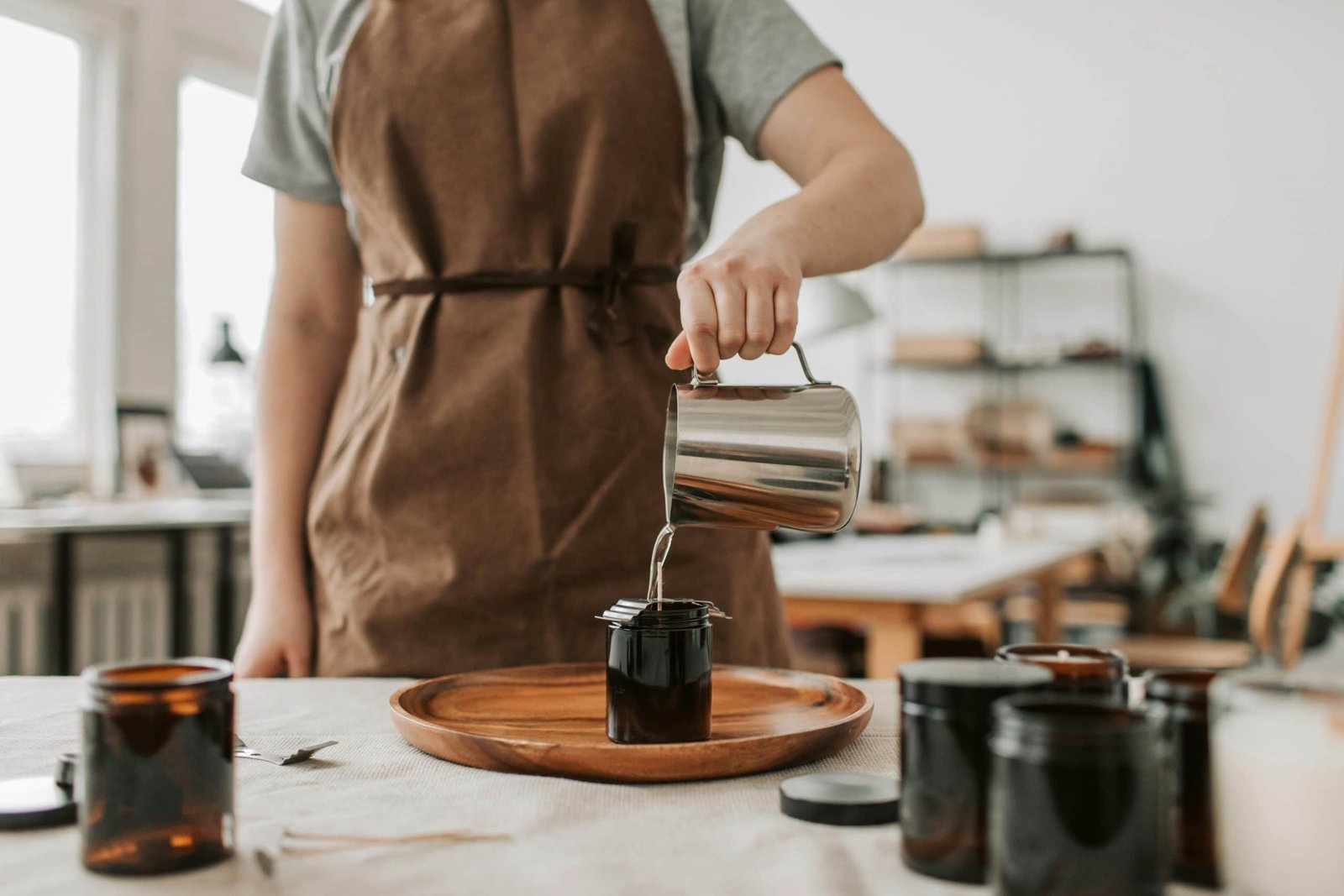
Pouring the melted wax into containers requires precision and patience. Hold the wick in place using a wick holder or stick, ensuring it remains centered.
Slowly pour the wax into your chosen container, leaving some space at the top. Allow the candles to cool and harden completely before moving on to adding fragrance oils.
Adding Fragrance Oils at the Right Temperature
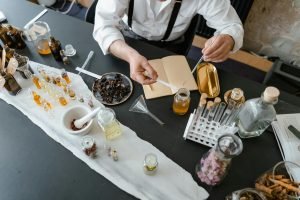
Fragrance oils are an essential component of scented candle making, enhancing both the aroma and ambiance of your creations. To ensure optimal scent throw, add fragrance oils to your melted wax at the right temperature—usually around 185-195°F for most fragrances. Stir gently but thoroughly to distribute the fragrance evenly throughout the wax.
The amount of fragrance oil you use depends on personal preference and manufacturer recommendations—typically around 6-10% of your total wax weight for strong-scented candles. Avoid exceeding recommended concentrations, as this can lead to poor burning performance or overpowering scents that may cause headaches.
Wick Placement and Centering Techniques
Proper wick placement is vital for even burning and optimal performance in scented candle making. Before pouring hot wax into containers, secure wicks in place using adhesive dots or glue at the bottom center of each vessel.
Ensure that wicks are upright and centered throughout this process to prevent tunneling or uneven burning. To maintain wick position during pouring, use tools like clothespins or chopsticks to hold them steady until the wax sets.
Trim wicks to an appropriate length (typically ¼ inch) after solidification but before lighting your scented candles for a cleaner burn with minimal soot production. Experiment with different wick sizes for various container diameters to find what works best for each unique creation.
Sinkholes: The Hidden Frustration
Sinkholes are a common issue encountered in scented candle making where depressions form on the surface of the candle as it cools. To fix sinkholes, one can use a heat gun to gently melt the surface of the candle and fill in the depression. Prevention methods include pouring wax at a slightly higher temperature and ensuring there are no drafts in the room during cooling.
Frosting: A Chill in Your Plans
Frosting occurs when small white crystals form on the surface of a scented candle, affecting its aesthetic appeal. To fix frosting, wrap the candle in a heated towel to help smooth out the surface. Prevent frosting by using additives like stearin or vybar, maintaining consistent pouring temperatures, and avoiding sudden temperature changes during cooling.
Tunneling: When Light Gets Lost
Tunneling happens when a scented candle burns down the center, leaving excess wax along the sides untouched. To fix tunneling, create a foil “tent” around the candle while burning to melt excess wax and even out the burn pool. Prevent tunneling by using larger wicks for better heat distribution and ensuring candles have an appropriate diameter for their container size.
Layered Candles
Creating layered candles adds a visually appealing dimension to your scented candle making. Begin by choosing different colored wax layers to achieve the desired effect.
Melt each color of wax separately and pour them carefully into the container, allowing each layer to cool and harden before adding the next one. To create distinct layers, consider using a heat gun to slightly melt the top of each cooled layer before pouring the next one.
A Symphony of Colors: Elevating Your Scented Candle Making
Experiment with various color combinations to craft unique layered candles – from elegant ombre gradients to bold contrasting colors that make a statement. Play with different pouring techniques like straight lines for clean division or swirling motions for a more artistic touch in your scented candle making endeavors. Layered candles not only enhance visual appeal but also allow you to blend complementary fragrances for a multi-sensory experience.
Embedding Objects in Candles
Infuse creativity into your scented candle making by embedding objects within the wax. Choose heat-resistant items like dried flowers, decorative stones, or small trinkets that add charm and personality to your candles.
Position these objects strategically within the container before pouring the melted wax, ensuring they are visible but secured within the candle structure. Embedding objects can turn a simple candle into a personalized work of art.
Capturing Memories in Wax: A Personal Touch in Scented Candle Making
Utilize sentimental items such as pressed leaves from special occasions or miniature charms that hold emotional significance when embedding them in candles. Encase these objects gently so they are preserved within the candle’s core, waiting to be discovered as the wax burns down. The process of embedding objects not only elevates your scented candle making skills but also creates meaningful gifts that resonate with recipients on a deeper level.
Marbling Techniques
Marbling techniques introduce an element of fluid artistry into your scented candle making practice, resulting in beautifully intricate designs reminiscent of swirling patterns found in nature. Blend different colored waxes together sparingly without fully mixing them for a marble effect when poured into containers. Use tools like skewers or toothpicks to create unique swirls and patterns as you mix the colors while maintaining their distinct visual appeal.
The Dance of Colors: Harmonizing Chaos and Elegance in Scented Candle Making
Experiment with contrasting colors or shades from the same color family when applying marbling techniques to enhance visual interest and depth in your candles during scented candle making sessions . Embrace asymmetry and unpredictability as you manipulate swirling patterns across each layer, allowing creativity to flow freely through every stroke and movement. Marbling techniques offer endless possibilities for crafting one-of-a-kind candles that showcase your artistic flair.
Multi-Wick Candles
Crafting multi-wick candles elevates your scented candle making game to a professional level by creating a stunning visual impact and enhancing the fragrance throw. Firstly, choose a container with a wide enough diameter to accommodate multiple wicks evenly spaced apart. Next, carefully measure and attach the wicks in place using wick holders to ensure they stay centered during the pouring process.
When melting your wax, make sure it reaches the appropriate temperature for optimal burning performance of all wicks simultaneously. To achieve perfect multi-wick candle results in scented candle making, pour your melted wax slowly and steadily into the container, allowing each wick to absorb the fragrance-infused wax uniformly.
Additionally, monitor the cooling process closely to avoid any imbalances in wax solidification around each wick. Trim all wicks to an equal length once the candles have fully set for a polished finish before lighting them up and basking in their mesmerizing glow that illuminates multiple spots with enchanting scents.
Gel Candle Making
Venture into gel candle making to unlock a realm of creativity and innovation within your scented candle making journey. Gel candles offer unique transparency that allows you to embed various decorative elements such as seashells, flowers, or glitter for enchanting visual effects while infusing delightful fragrances into these captivating creations.
Begin by selecting high-quality gel wax with excellent clarity that serves as a perfect medium for showcasing embedded designs. Dive into experimenting with different techniques like layering colored gel wax or incorporating swirls to add depth and dimension to your gel candles during their creation process.
Remember that proper temperature control is crucial when working with gel wax to prevent bubbles from forming and ensure optimal adhesion of embedded elements within the translucent medium. Embrace this innovative approach in scented candle making as an avenue for expressing your artistic flair through enticingly fragrant works of art.
Carved and Sculpted Candles
Embark on the intricate artistry of carved and sculpted candles within your scented candle making repertoire by transforming ordinary wax into extraordinary masterpieces that captivate both sight and smell alike. Select high-quality paraffin or beeswax known for their malleability when heated—ideal for intricate carving details or sculpting elaborate shapes such as flowers, animals, or geometric patterns that enhance visual appeal while releasing aromatic notes when lit.
Begin by sketching out your design directly on the surface of a cooled but pliable candle using specialized carving tools like fine knives or dental tools tailored for detailed work in sculpting wax masterpieces during creative sessions where precision is paramount. Dive into this advanced technique as an avenue for pushing boundaries in traditional scented candle making by crafting exclusive pieces that showcase your dexterity in merging form with fragrance through meticulously carved patterns infused with delightful scents.
Tips for Packaging and Presenting Your Scented Candles
Creating an Unforgettable First Impression
– Use high-quality, aesthetically pleasing packaging materials to enhance the visual appeal of your scented candles. – Consider custom labels or tags with your brand logo and a brief description of the scent. – Utilize eco-friendly packaging options to appeal to environmentally conscious customers.
Enhancing the Gift-Worthy Factor
– Offer gift wrapping services for a personalized touch, especially during festive seasons. – Include a small thank-you note or card in each package to show appreciation to customers. – Consider bundling candles with complementary items like matches or candle holders for added value.
Showcasing Your Craftsmanship
– Invest in professional product photography to showcase your scented candles in their best light on your website and social media channels. – Display your candles strategically at craft fairs or markets with attractive booth setups that reflect your brand aesthetic. – Encourage customer reviews and testimonials to build credibility and trust in your scented candle making skills.
Conclusion
Scented candle making is not just a craft; it’s an art form that allows you to engage all senses through the power of fragrance. From selecting the perfect wax blend to mastering intricate pouring techniques, every step contributes to creating a truly unique product.
By following this ultimate guide, you have unlocked the secrets to crafting exquisite scented candles that not only delight the olfactory senses but also bring joy and tranquility into people’s lives. Embrace this creative journey with enthusiasm, knowing that each candle you make has the potential to spark happiness in others’ hearts.