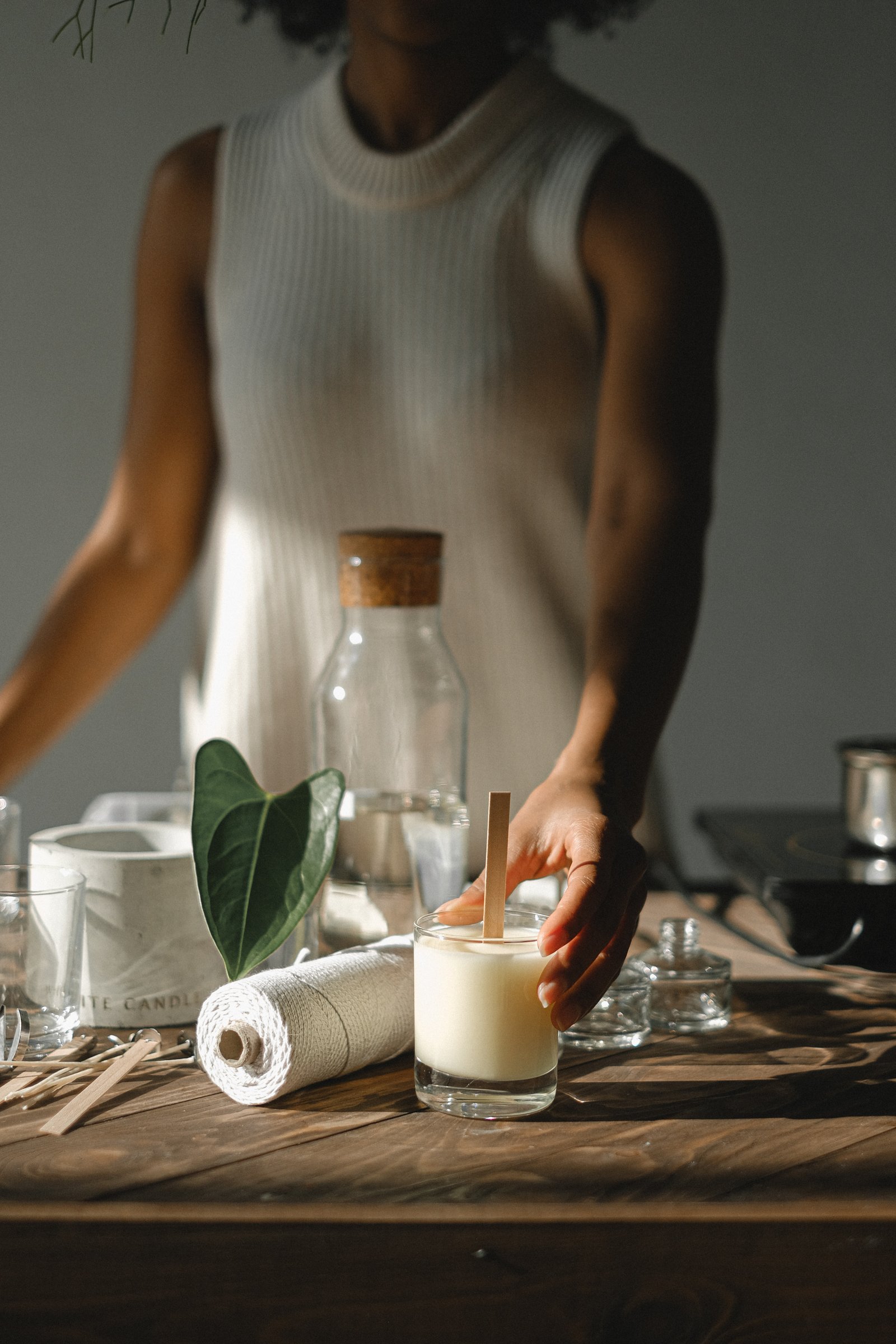
Guide to Fragrances for Candle Making
Essential Oils vs. Fragrance Oils
While both types of fragrances can be used in candle making, they have some distinct differences. Essential oils provide a more natural scent than fragrance oils because they come directly from plants without any synthetic additives. This makes them perfect for people who prefer natural products or suffer from allergies or respiratory problems, as essential oils do not produce irritating fumes like some synthetic fragrances do.
Fragrance oils offer a wide range of possibilities as they come in many different scents that cannot be found naturally with essential oils alone. They also tend to provide stronger scent throws (the amount of scent released when the candle is burned) compared to essential oils, which can sometimes be subtle.
Whether you choose essential oils or fragrance oils ultimately depends on your personal preference for scent intensity and your budget, as essential oil prices tend to be more expensive than fragrance oil prices due to their pure composition. When used properly, both types of fragrances can create beautiful and inviting candles that set the mood for any occasion.
Essential Oils: Choosing Aromatic Bliss
If you’re looking to add natural scents and health benefits to your candles, then essential oils are the perfect choice. Essential oils are derived from plants, providing a natural and pure aroma experience.
They are highly concentrated liquids distilled from leaves, stems, flowers, roots, or other parts of a plant. These oils can then be used in candle-making to enhance the ambiance of any environment.
Some popular essential oils for candle-making include lavender, peppermint, eucalyptus, and tea tree oil. Lavender is well-known for its soothing properties that can help calm down an anxious mind or promote relaxation before bed.
Peppermint has an invigorating scent that helps with focus, while eucalyptus is great for clearing the sinuses when someone is experiencing cold symptoms. The benefits of using essential oils in candles go beyond smell alone.
Each oil has unique attributes that can benefit the body and mind when utilized correctly. For instance, aromatherapy using essential oils is known to provide various therapeutic benefits, such as reducing anxiety levels, promoting restful sleep, and boosting mood levels.
If you’re looking for a more natural way to enhance your candle-making experience without compromising quality or aroma strength, consider using essential oils! They provide numerous therapeutic benefits that create a naturally pleasing scent and promote a healthier environment, both mentally and physically.
Fragrance Oils
When it comes to making candles, fragrance oils are another option that can replace essential oils. Unlike essential oils, fragrance oils are synthetic and mimic a specific scent rather than being derived from a plant or flower.
These oils come in a wide variety of scents, from sweet and fruity to earthy and musky. Popular fragrance oil scents used in candle making include vanilla, apple pie, lavender, ocean breeze, and many more.
These scents often evoke certain emotions or memories in people and can set the mood for any occasion. Vanilla is popular for its warm and comforting aroma, while the ocean breeze can transport you to a relaxing beach vacation.
One benefit of using fragrance oils in candles is their consistency in scent. Since they are synthetic, they do not vary in scent like essential oils can due to factors such as season or location of the plant source.
This allows for more control over the final product and ensures that each candle will have the same scent profile. Another benefit is the wide variety of scents available with fragrance oils.
There are endless options when it comes to creating unique scent combinations for your candles. Whether you want to create a cozy autumn atmosphere with apple cider fragrances or transport yourself to a tropical paradise with mango papaya scents, there will surely be a fragrance oil that suits your needs.
Overall, fragrance oils offer an excellent alternative to essential oils when it comes to candle making. With consistent scents and an endless variety of options available, they provide endless opportunities for creativity when crafting your perfect candle scent combination.
Blending Essential Oils and Fragrance Oils
Tips for Blending Essential Oils and Fragrance Oils Together for Unique Scents
One of the great things about making your own candles is the ability to create unique scents by blending different essential oils and fragrance oils. However, blending can be tricky as you want to ensure that all scents complement each other rather than clash.
Here are some tips for blending essential oils and fragrance oils together: 1. Start with a base scent: Begin by choosing a base scent that you want to use as the foundation of your blend.
For example, if you want to create a floral candle, start with lavender or rose as your base scent. 2. Add complementary scents: Once you have your base scent, add other essential oils or fragrance oils that complement it well.
For example, if you’re using lavender as your base scent, consider adding a touch of vanilla or peppermint. 3. Experiment: The key to creating unique blends is experimentation – feel free to try out different combinations until you find one that works.
Examples of Popular Blends (Lavender Vanilla, Lemon Mint)
Countless combinations of essential oils and fragrance oils can be used together in candle making, but here are two popular blends: 1. Lavender Vanilla: This is a soothing blend that’s perfect for relaxing after a long day. Start with lavender as your base scent, and add vanilla for sweetness.
2. Lemon Mint: This invigorating blend is great for energizing in the morning or during work breaks. Start with lemon as your base scent, and add mint for freshness.
Remember, these are just examples – feel free to experiment with different scents until you find the perfect combination for you! By blending essential oils and fragrances, you can create unique candles that reflect your style and personality.
Choosing the Right Fragrance for Your Candle
Candle Type
Choosing the right fragrance for your candle depends on the type of candle you are making. For example, a fragrance with a lower flashpoint would be ideal if you’re making a soy wax candle.
A scent with a high flashpoint may cause smoking or soot. On the other hand, if you’re making a beeswax candle, any fragrance would work as beeswax has a high melting point and can handle hotter temperatures than other waxes.
Intended Use
Another factor to consider when choosing your fragrance is the intended use of your candle. If you plan on using it for relaxation or meditation purposes, essential oils like lavender, chamomile, or eucalyptus can help promote relaxation and reduce stress. If creating ambiance is more important to you, then fragrances like vanilla or cinnamon may be more appropriate.
Personal Preference
Ultimately, personal preference should play an important role in selecting your candle’s fragrance. What scents do you enjoy?
Do they remind you of happy memories? Do they match the decor in your home?
These are all questions to consider when choosing a scent that will make you happy every time you light it. There are several factors to consider when selecting the perfect fragrance for your candle.
Choosing a fragrance that matches the type of candle and its intended use while also satisfying personal preferences is important. By keeping these factors in mind and experimenting with different scents, you’ll be able to create candles that look beautiful and smell amazing too!
How to Add Fragrance to Your Candles
Adding fragrance to your candle wax is important in creating the perfect scent for your candle. Here are some step-by-step instructions on how to add fragrance to your wax:
Step 1: Melt Wax
First, you need to melt your wax. This can be done using a double boiler or a microwave.
If using a microwave, place the wax in a microwave-safe container and heat at 30-second intervals until fully melted. If using a double boiler, heat water in the bottom pan and place the wax in the top pan until melted.
Step 2: Add Fragrance Oil or Essential Oil
Once your wax is melted, it’s time to add the fragrance oil or essential oil of your choice. The amount of oil you add will depend on how strong you want the scent of your candle to be. A general rule of thumb is to use about one ounce of fragrance oil per pound of wax.
Carefully drip the fragrance oil into the melted wax using a dropper while stirring continuously. Make sure that you stir thoroughly so that the scent is evenly distributed throughout.
Step 3: Pour Wax into the Container
After adding the fragrance oil, it’s time to pour your melted wax into your chosen container. Make sure that you pour slowly and carefully so that you don’t spill any of it. It’s important to note that different types of containers will require different pouring temperatures.
For example, metal tins can handle hotter temperatures than glass jars. Allow your candle to cool completely before trimming the wick and lighting it up!
Overall, adding fragrance oils or essential oils is an easy process once you get used to it! Remember that experimenting with different oils and quantities will help you find what works best for each individual project!
Conclusion
The Importance of Fragrances in Candle Making
Fragrances are an essential part of the candle-making process. They play a vital role in setting the mood, creating ambiance, and evoking emotions.
Whether you choose to use essential oils or fragrance oils, the right scent can transform a room into a calming oasis or an energizing workspace. In addition to enhancing the overall experience, fragrances can offer therapeutic benefits for physical and mental health.