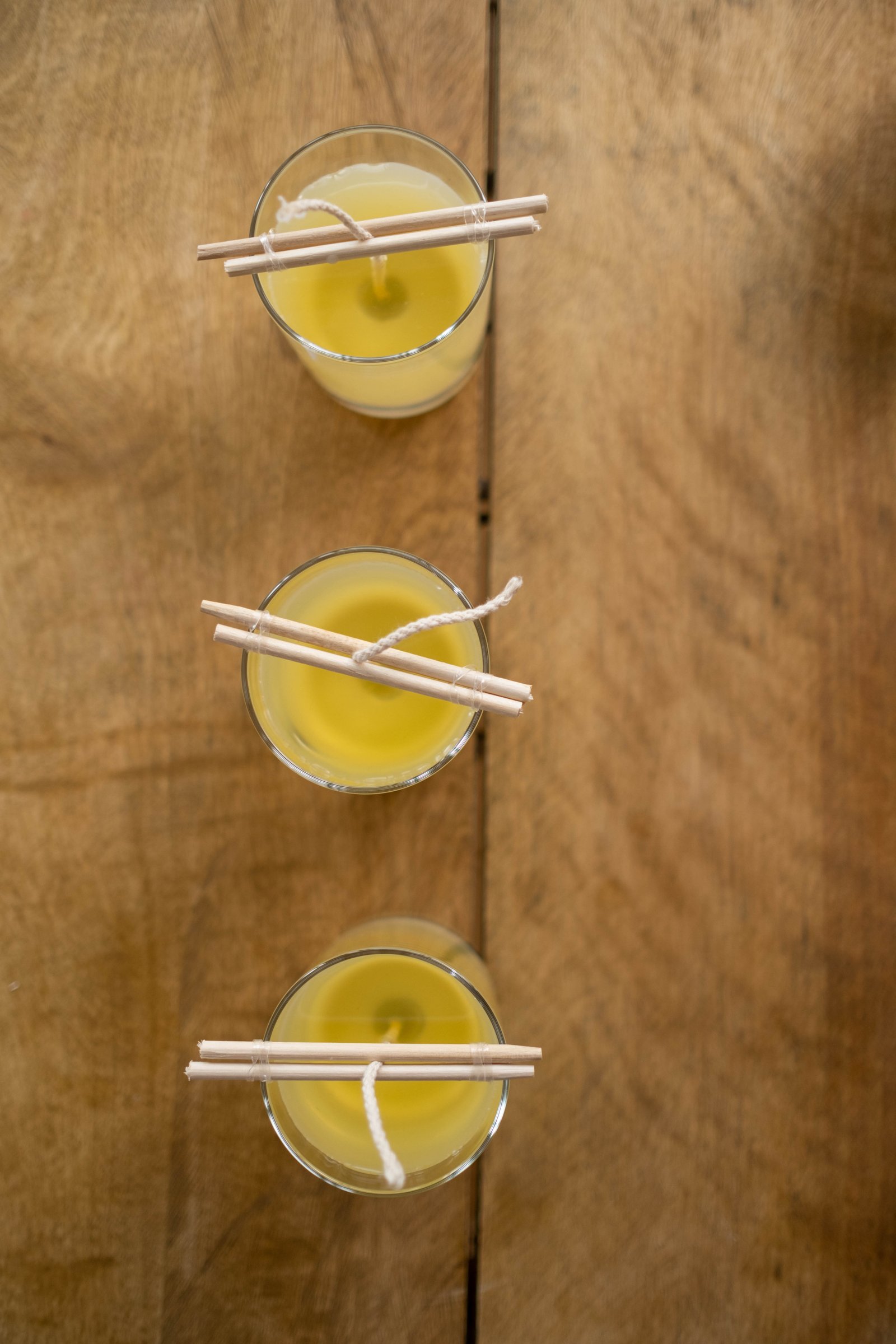
Overview of Wick Types
Several types of wicks are available for candle making, each with unique characteristics and benefits. The most common types include cotton, wood, zinc core, and hemp.
Cotton wicks are the most widely used type of wick in candle making due to their affordability and versatility. They come in various sizes and styles, allowing for customization based on your specific candle-making needs.
Wooden wicks have become increasingly popular over recent years due to their natural aesthetic and crackling sound when lit. They’re typically made from sustainable materials like bamboo or cherry wood. Zinc core wicks feature a thin piece of zinc running down the center of the cotton braid, which helps keep it upright while burning.
This type is ideal for use with thicker wax formulations such as soy or beeswax. Hemp wicks are another eco-friendly option made from natural fibers.
They’re known for producing a clean burn with minimal smoke or soot. Now that we’ve covered an overview of each type, let’s dive deeper into what makes each one unique so you can choose the best one for your next project!
The Purpose of Wicks in Candle Making
Candles have been used for centuries as a source of light, warmth, and even fragrance. But have you ever wondered how a simple wick can bring a candle to life? The wick serves the essential purpose of drawing up the liquid wax to create a flame when lit. It acts as a pipeline that transports the melted wax to the flame’s base via capillary action.
Once lit, the heat from the flame vaporizes the liquid wax and discharges it into the air in gaseous form. This is how candles give off light and heat.
However, not all wicks are created equal, and choosing the right one can significantly affect your candle’s overall performance. Different sizes, compositions, and types of wicks will burn at varying rates and emit different amounts of smoke when burning.
The wrong choice can lead to uneven melting or excess soot buildup on your container’s sides or walls. So it’s essential to know your options when it comes to different types of wicks available on the market today.
How Different Types of Wicks Affect Burn Time & Performance
The type of wick you choose can significantly impact your candle’s burn time and overall performance. Factors such as diameter size, composition material, stiffness level (or rigidity), and length are all crucial considerations when selecting a wick for your candle-making project. For instance, cotton wicks are an ideal option if you’re using a natural wax such as soy or beeswax because they burn slowly and produce minimal soot deposits while still providing steady heat output for extended periods.
Wooden wicks work best with harder wax types like paraffin because they provide more flame height than cotton alternatives due to their larger size/width – this makes them great options for large containers or outdoor use since they produce more heat output than traditional cotton alternatives. Zinc-core wicks offer a more robust flame that is ideal for thicker wax blends like gel candles.
They’re also great for larger containers since they can provide heat over longer periods without burning out too quickly. Hemp wicks have a slower burn rate than cotton and are an excellent choice for candles that require a subtle fragrance without the overpowering scent of traditional synthetic waxes.
They also tend to produce less smoke and soot buildup on container walls while still providing steady heat output throughout the candle’s life span. Knowing these types of wicks and their performance characteristics will help you choose the right one for your candle-making project, ensuring optimal burn time and performance while minimizing any potential issues or problems.
Types of Wicks for Candle Making
Cotton Wicks: The Classic Choice
Cotton wicks are the most common type of wick used in candle making. These wicks are made completely from cotton fibers and are typically braided to create a sturdy yet flexible structure that can withstand the heat of a burning candle. The benefits of using cotton wicks include their affordability, availability, and versatility.
They work well with most types of wax and containers and produce minimal soot or smoke when burned. When selecting a cotton wick, it is important to consider the size of your container and the type of wax you are using.
A small container may require a thinner wick, while a larger container may need a thicker one to ensure an even burn. Additionally, soy wax tends to require a larger wick size than other types due to its lower melting point.
Wooden Wicks: A Rustic Alternative
Wooden wicks have become increasingly popular in recent years due to their unique appearance and crackling sound when burned. Made from natural wood fibers such as cherry or maple, these wicks offer an organic alternative to traditional cotton options. They work well with soy wax because they provide a hotter flame that melts this type of wax more effectively than other materials.
However, wooden wicks can be more challenging to work with than cotton due to their rigidity. It is important that they are properly centered in the candle during pouring and burning in order for them to perform optimally.
Zinc Core Wicks: For Long-Lasting Candles
Zinc core wicks consist of a cotton braid surrounding a small piece of zinc wire that runs through the center. These strong, durable wicks are known for their ability to prolong burn time in candles and maintain consistent flame height throughout the life of the candle. They are typically used in larger, pillar-style candles.
It is important to note that zinc core wicks should not be used in containers due to the risk of overheating and cracking. Additionally, they tend to produce more soot than other types of wicks, so proper ventilation is necessary when burning a candle with a zinc core wick.
Hemp Wicks: An Eco-Friendly Choice
Hemp wicks are made from 100% natural hemp fibers and offer an eco-friendly option for candle makers who prioritize sustainability. These wicks tend to burn slower than cotton options, resulting in longer-lasting candles. They also have a minimal impact on the environment, as hemp can be grown without the use of pesticides or harmful chemicals.
When using hemp wicks, it is important to choose an appropriate size based on the container and type of wax being used. Hemp wicks may also require priming prior to use in order for them to burn properly and avoid extinguishing prematurely.
Factors to Consider When Choosing a Wick
Choosing the right wick for your candle is essential for achieving a successful burn. There are several factors to consider when choosing a wick, including size, type/composition, and burn time/performance. Here’s what you need to know:
Size
The diameter of your candle container determines wick size. The larger the diameter of your jar, the larger the wick you will need. A too-small wick will result in an incomplete wax melt pool and poor scent throw, while a too-large wick will cause excessive flame and even pose a safety hazard.
To determine the right size wick for your candle, use a wick sizing chart or calculator that takes into account both the diameter of your container and the type of wax you are using. Remember that different types of wax may require different sizes of wicks due to differences in density, viscosity, and other properties.
Type/Composition
The composition of a candle wick can also impact how well it burns. Some common types include cotton, wood, zinc core, and hemp. Cotton is one of the most popular options due to its affordability and versatility.
It offers a clean burn with minimal soot buildup but can struggle with fragrances that contain heavy oils or dyes. Wooden wicks offer unique crackling sounds when burning but require special considerations, such as trimming before each use to prevent mushrooming.
Zinc core wicks are often used in pillar candles because they offer additional support for the heavier wax, but these may not be suitable for use in smaller containers or jars. Hemp offers natural fibers that can complement other organic elements used in candles if sustainability is important to you.
Burn Time/Performance
Consider burn time vs. performance when choosing your candle’s wick. Burn time depends on the size of the wick and how much wax it will consume over time. You will want to choose a wick that burns for long enough to give ample time for fragrance oils to disperse but not so long that the candle burns all the way through too quickly.
Performance factors include a consistent flame, a pleasant scent throw, minimal soot or carbon buildup, and an aesthetically pleasing melted wax pool. Choosing the right wick for your specific candle recipe is crucial to ensure that your candles perform as they should.
Rarely Known Details About Wicks for Candle Making
Wick Priming Techniques to Enhance Performance
Priming a wick is the act of saturating the wick with melted wax before lighting it for the first time. This allows the wick to burn evenly and prevents tunneling when a candle burns a hole straight down the middle, leaving wax around the edges. To prime a wick, melt some of the same wax you will be using in your candle and dip it into the melted wax for several seconds.
Please remove it from the wax and let it cool before trimming to size. Another technique to enhance performance is trimming your wick after each burn session.
A too-long wick can cause excessive smoking or create a dangerously large flame. Make sure to trim your wick to ¼ inch after each burn session.
How to Troubleshoot Common Issues with Wick Selection
If you are experiencing issues with burning candles, such as soot buildup, flickering flame, or low scent throw, then it’s time to reconsider your choice of wicks. To avoid soot buildup on your container candles, use smaller-diameter cotton or wooden wicks that have been primed correctly.
Flickering flames can be caused by either an oversized or an undersized wick. In most cases where flickering occurs, trimming down your current-sized wick may solve this problem.
Low scent throw could mean that either our fragrance oils are diluted or that they are not compatible with our chosen type of wax and chosen type of wicks. Be sure to test different fragrances and see if there’s any improvement.
The Impact That Fragrance Oils Have on Wick Selection
Candlemakers need to understand that fragrance oils can impact how well certain types of wecks will work in their candles. Some highly concentrated oils may require larger wicks to feed the flames with enough fuel, while other oils with lower concentrations can work well with smaller wicks.
Experimenting and testing with different types of wicks is key to finding which types work best for your specific fragrance oils. When selecting a wick, consider the fragrance oil’s viscosity and flashpoint, as these factors also affect how well they perform in candle making.
High-viscosity fragrances may require more heat or longer cure times before pouring into a container, while flashpoints below 200°F may not be safe for use with certain types of waxes or containers. Always check the manufacturer’s recommendation for each oil before using them in your candles.
Conclusion:
Recap Key Takeaways from the Article
After reading this article, you should better understand the importance of wicks in candle making and how they impact a candle’s burn time and overall performance. We covered four common types of wicks: cotton wicks, wooden wicks, zinc core wicks, and hemp wicks. Each type has its benefits and is best suited for certain types of wax and containers.
It’s important to remember that choosing a wick’s right size, type, and composition is crucial for creating the perfect candle. We also discussed factors to consider when selecting a wick, such as size, type/composition, and burn time/performance.
It’sTo find what works best for your specific needs, it’s essential to experiment with different types/sizes/compositions when making candles. Be bold and test out new options once you find your ideal combination.
Encourage Readers to Experiment with Different Types/Sizes/Compositions When Making Candles
Now that you understand the different types of wicks available in the market, along with their benefits and limitations, it’s essential to experiment. Creating personalized candles requires testing various materials before landing on one that works well for your needs. By experimenting with different sizes/materials/lengths/types – you can create unique combinations tailored to make beautiful candles that smell great while burning evenly throughout their lifespan.
It’s also important not just to stick with one particular supplier but instead try using multiple sources so that you get access to various choices. Remember that each choice will provide its own unique experience through sight, sound (the gentle crackle from wooden ones), smell (with cotton), or even performance (zinc core), so don’t shy away from trying out new options until you discover what works best for your preferences!